
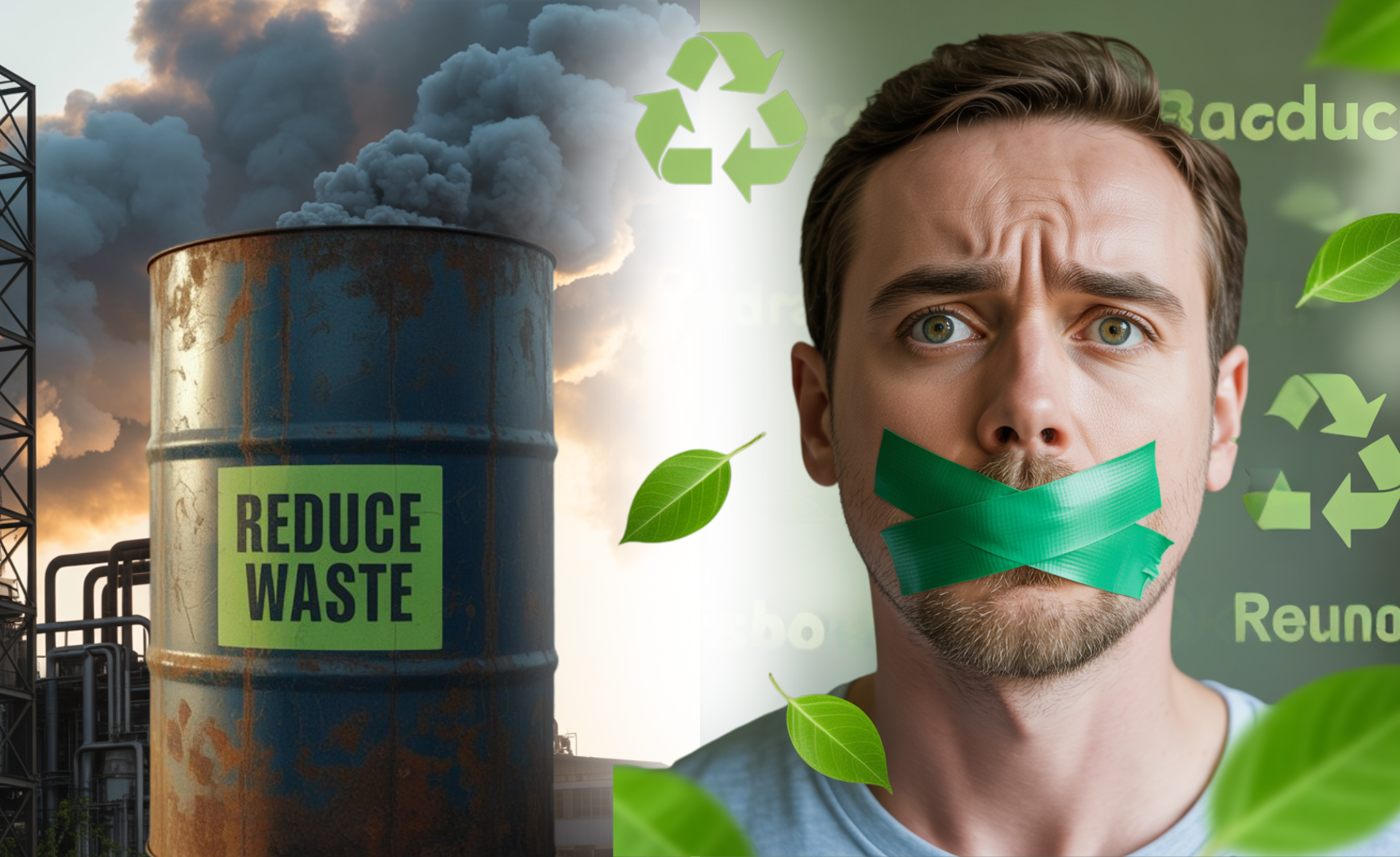
Let’s dive into the world of greenwashing and greenhushing and how these practices can impact brand trust. For the purposes of this conversation let’s purely look at it from a practical business perspective, let’s just all agree that misleading one’s customers (well-intentioned or not) is, from a moral standpoint, “just not cricket,” as we English say.
What’s Greenwashing?
Greenwashing is the practice of making misleading claims about the environmental benefits of a product or company. Put simply, it’s overclaiming your green credentials. Picture this: a brand launches a “green” product line but only changes packaging from plastic to recyclable paper, while keeping the environmentally harmful ingredients unchanged. On the surface, it might look great, but if one were to dig a bit deeper, it’s easy to see how making overclaims is a risk.
So What About Greenhushing?
On the flip side, there’s greenhushing; This is where companies shy away from sharing their environmental achievements for fear of criticism if they don’t meet the perfect eco-standard.
So, what’s the problem if a brand isn’t shouting about its green efforts? Well, greenhushing also results in a lack of transparency and trust. Not only does the company miss out on engagement with its consumers who want openness (How can they align with a brand’s values if they’re kept in the dark?), but also there is the missed opportunity to raise the bar on others in the industry, after all, a rising tide raises all boats. If everyone is doing their bit to make better decisions, then we all win.
Harmful Repercussions on Brand Trust
So let’s talk about trust. It’s the currency businesses trade on. Greenwashing and greenhushing can have dire consequences for this asset.
- Breach of Consumer Trust: When brands engage in greenwashing, they gamble with consumer trust. Once lost, it’s painstakingly difficult to regain. Consumers, armed with information, will blacklist brands faster than you can say the word “sustainable.”
- Missed Engagement Opportunities: Conversely, greenhushing robs brands of opportunities to genuinely connect with environmentally conscious customers who could become brand advocates if only they knew the whole story. Openness breeds trust, and greenhushing can stifle that romance before it even begins.
- Regulatory Risks: It doesn’t stop there. We’re seeing more regulatory boards cracking down on misleading environmental claims. Fines and legal challenges can ensue if brands are found guilty of greenwashing. That’s a cost nobody wants to bear!

The Path to Authenticity
Here’s the conundrum then: the pressure to appear green is mounting. Consumers, rightly demanding sustainability, have pushed brands into a corner where they feel compelled to paint themselves greener than they are or to hide genuine, albeit imperfect, efforts. So how can brands escape this quandary?
- Commit and Communicate Honestly: The best brands don’t have to be the greenest, but they have to be honest. Authenticity isn’t about perfect scores; it’s about genuine commitment to progress and transparency in communicating those efforts, along with honesty.
- Engage in Transparent Practices: Engage your audience in the dialogue. Share what you’re doing right and openly discuss what you’re working on. Contrary to what one might think, many consumers appreciate it when brands discuss their sustainability shortcomings, provided there’s a plan for improvement.
- Education and Awareness: Use educational content to highlight what goes into making products truly sustainable. Helping consumers understand the complexities of sustainability can foster empathy and patience.
- Encourage Internal Accountability: Before shouting your achievements to the world, ensure your house is in order. Internal audits, impactful policies, and employee engagement on sustainability can lay a solid foundation.
- Seek Third-Party Verification: Having your claims verified by a credible third party can add a layer of trust. Certifications and endorsements act as testamentary seals to the authenticity of your claims.
Final Thoughts
Trying to rebuild trust will be a significantly more costly exercise than simply maintaining it, so being on the front foot, open, and honest will help ensure trust is never lost in the first place.
At a time when the green narrative is increasingly on everyone’s lips, the challenge lies not in being the ultimate green company overnight, but in navigating the path with honesty and courage. Wouldn’t it be better if we aimed to build community trust through transparency? In doing so, aren’t we creating lifelong brand advocates who rally behind our genuine journey rather than a one-time purchase based on marketing razzmatazz?
It’s not the grandiose claims that build trust, but the honest conversations and commitments delivered consistently over time. Let’s not just impress for a moment; let’s impact for a lifetime.
And finally, let’s give companies the benefit of the doubt; if we identify a company that has made a genuine attempt to improve their sustainability credentials but has fallen into the trap of overpromising, let’s start a conversation with them, assuming it’s an honest mistake until proven otherwise. And let’s help them correct course rather than publicly crucifying them. Hopefully, this way, others will not be terrified of being blacklisted or boycotted and won’t feel the need to hush up their genuine efforts.
Adam Hoult, CSO
Neutral Carbon Zone